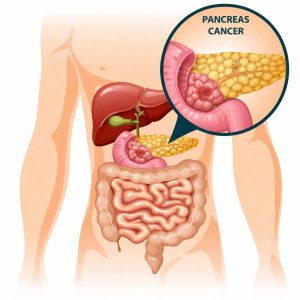
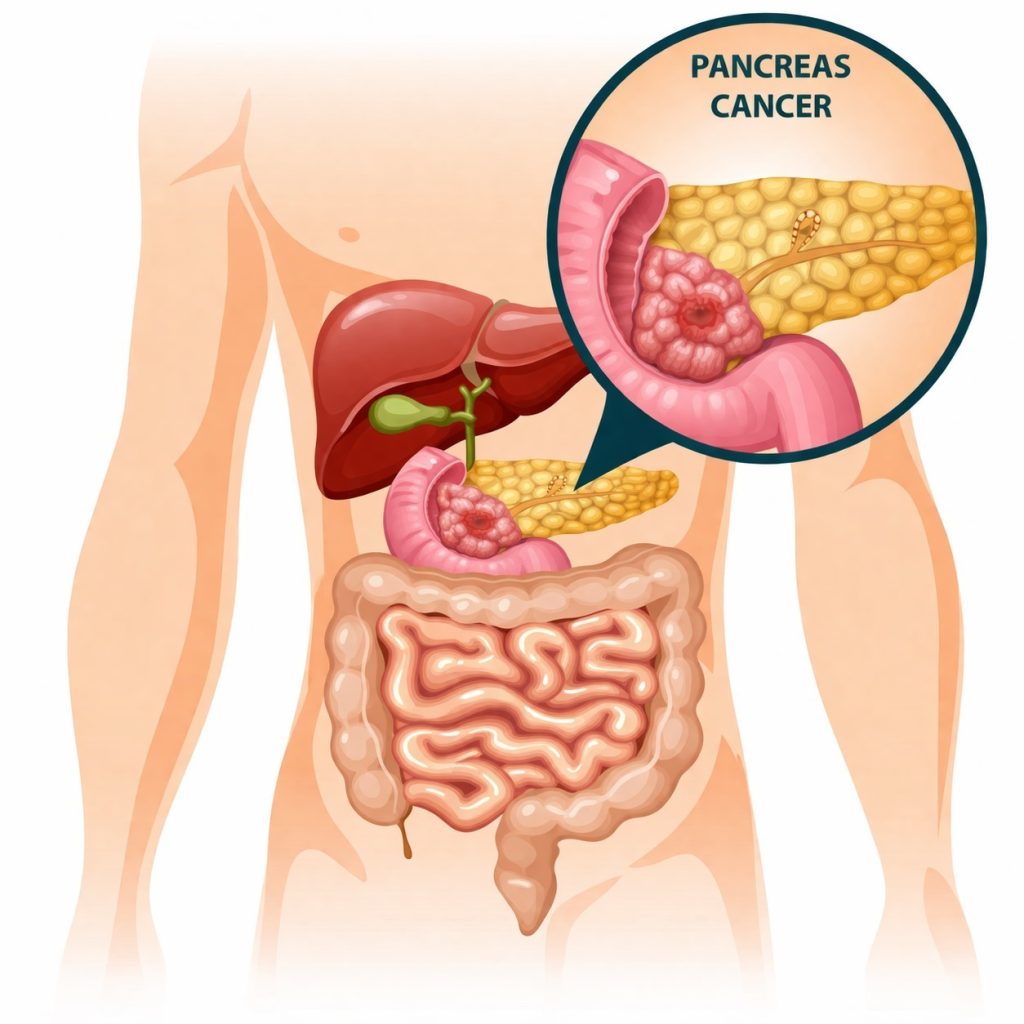
Pancreatic tumors are among the most complex conditions affecting the digestive system. The symptoms of this condition often go unnoticed because the pancreas is located inside the abdomen. However, early diagnosis and effective treatment are crucial for mitigating the severity of the condition and improving the quality of life.
In this blog. We discuss the early signs of pancreatic tumors, methods of diagnosis, and modern surgical management options.
Understanding Pancreatic Tumors
Pancreatic tumors are abnormal growths that develop in the pancreas. These tumors can be:
Benign (non-cancerous)
Malignant (Cancerous)
The most common type of malignant tumor is pancreatic adenocarcinoma. However, early diagnosis plays a critical role in determining the treatment process.
Early Signs of Pancreatic Tumors
The challenge in pancreatic tumors is that their symptoms often show in advanced stages.
However, certain signs or symptoms should not be ignored.
1. Chronic pain in the Abdomen
One of the most typical symptoms of a pancreatic tumor is upper abdominal pain that may spread to the back. This pain might get worse when you are lying down or after eating.
2. Inexplicable loss of weight
Unexpected weight loss without dieting or a change in lifestyle may indicate the sign of a pancreatic tumor.
3. Jaundice
When a tumor blocks the bile duct, the skin and eyes turn yellow. Jaundice may also be accompanied by pale stools and dark urine.
4. Digestive Problems
Indigestion, bloating, nausea, or loss of appetite could all be signs of pancreatic dysfunction.
5. New-Onset Diabetes
In some patients, sudden diabetes without a family history may be associated with pancreatic tumors.
If you experience persistent symptoms, early medical evaluation is strongly recommended.
Diagnosis of Pancreatic Tumors
Advanced imaging and clinical assessment are both necessary for an early and accurate diagnosis of pancreatic cancer
Some common diagnostic tests:
- Ultrasound Abdomen
- CT Scan
- Endoscopic Ultrasound
- Biopsy
Although they are not conclusive on their own, blood tests that include tumor markers like CA 19-9 may also help with evaluation.
Early diagnosis enables medical professionals to decide the best course of treatment and assess whether the tumor is operable.
[You can refer to the link for more details : https://pubmed.ncbi.nlm.nih.gov/12485225/]
Surgical Management Options for Pancreatic Tumors
For localized pancreatic tumors, surgery is still the best course of action. The size, location, and spread of the pancreatic tumor determine the type of surgery required.
1. Pancreaticoduodenectomy, or Whipple Procedure
The most popular surgical procedure for pancreatic head tumors is the Whipple procedure.
It includes getting rid of:
- Pancreatic head
- A section of the small intestine
- The Gallbladder
- The bile duct
Though this is complex, it offers the best chance for long-term survival for eligible parents.
2. Distal Pancreatectomy
When the tumor is found in the body and tail of the pancreas, this procedure is carried out. It involves removing the afflicted area and occasionally the spleen as well.
3. Total Pancreatectomy
In this process, the pancreas is removed completely, which is very rare. However, after that, patients need to take insulin and enzyme supplements for the rest of their lives.
Minimally Invasive Surgical Approaches
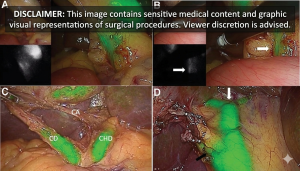
Laparoscopic and robotic-assisted pancreatic tumor surgeries are becoming more common in certain situations due to technological advancements. These methods could provide:
- Smaller incisions
- Reduced blood loss
- Faster recovery
- Shorter hospital stay
However, the suitability of surgeries depends on the characteristics of the tumor and the overall health of the patient.
Importance of Early Detection
Awareness of this tumor is very crucial because the early symptoms of pancreatic cancer can be very minor. People who have risk factors like
- History of Family
- Smoking
- Chronic pancreatitis
- Obesity
- Long-term diabetes
People with these symptoms should consider medical checkups. Early diagnosis improves surgical success and survival rates.
Recovery After Pancreatic Tumor Surgery
Post-surgical recovery involves:
- Hospital monitoring
- Gradual diet progression
- Pain management
- Pancreatic enzyme supplements
- Blood sugar monitoring
Conclusion
Surgical success and survival rates are greatly increased by early detection. Pancreatic tumors need to be managed by professionals and with immediate attention. Results can be greatly impacted by early diagnosis of symptoms and awareness of available surgical management options.
Make an appointment for a consultation with Dr. Srikanth Gadiyaram at Sahasra Hospitals, Jayanagar, today, and take the first step toward a safe, confident, and long-lasting recovery. Call 98801105829.